Another school scare, another near miss. Bullying & Kids Mental Health
Another school scare, another near miss. We trace Colorado’s path from Columbine to Skyline and ask the hard question: what will finally change? Hear the story, the data, and the path forward. Listen now and tell us what change you’ll push for? Bullying isn’t a rite of passage. It’s trauma. We break down how it harms kids’ mental health and what actually works: culture, counseling, connection. Take 8 minutes and join the movement. What’s one action your school can take today? Tired of drills and dread? We map a practical plan for safer schools: early support, enforced policies, and real community care. Tap to listen, then share the one idea you wish every parent and educator embraced—what is it?

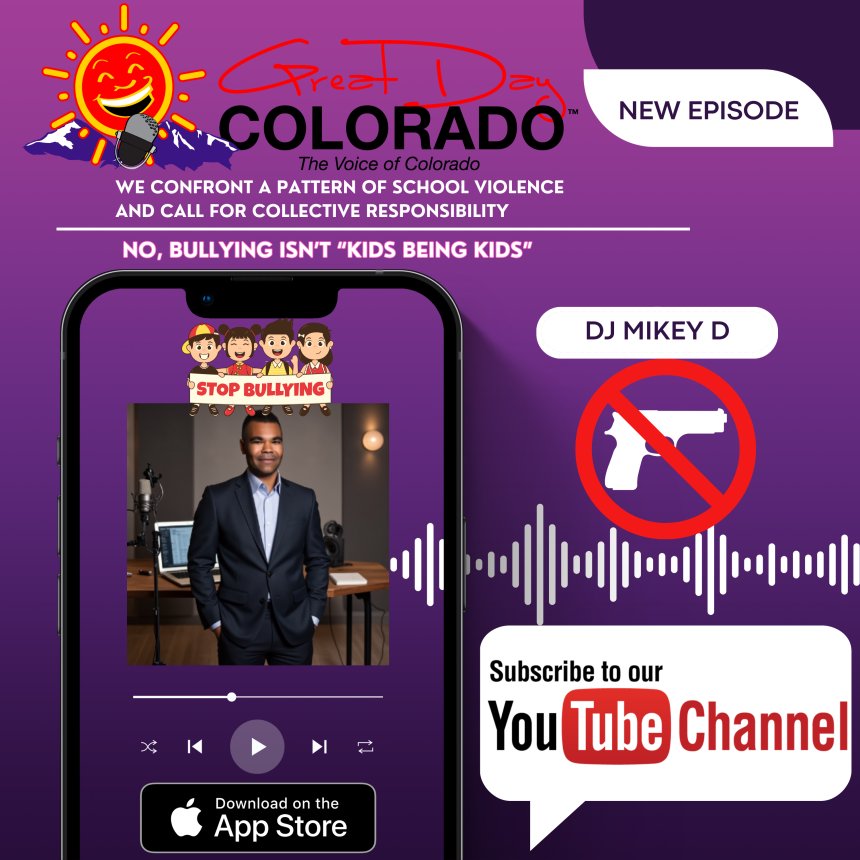
Colorado woke up to another school safety scare at Skyline High School, where quick action and a fortunate outcome kept tragedy at bay. The student was detained without incident, and no one was hurt. Relief is natural, but the phrase “this time” hangs heavy. The story touches a nerve because it joins a long line of incidents in a state still shaped by Columbine. Over 25 years, Colorado has faced school shootings, threats, lockdowns, and generations of students trained to fear the unthinkable. That history demands more than headlines. It demands a shift from reflex to reform, from reaction to prevention.
The pattern is plain. We strengthen security, revise protocols, and add drills, yet the baseline anxiety remains. Policies are necessary guardrails, but they don’t reach the root. Students talk about isolation, shame, and feeling unseen. Educators report rising anxiety, depression, and burnout. Families navigate social media storms and fragile support networks. Guns remain accessible for some youths in crisis. These threads weave the climate where violence can spark. If we reduce the conversation to a single law or a single program, we miss the whole fabric. Real safety requires a culture where belonging is the norm and disconnection is quickly noticed and addressed.
A culture-first strategy starts with relationships. Every student should have at least one trusted adult at school who checks in consistently. Advisory periods, mentorship programs, and peer ambassadors can shift the daily experience from anonymous to accountable. When students feel known, they speak up sooner about threats, bullying, and personal struggles. That early signal lets adults intervene before harm escalates. Research on school connectedness shows strong links to better mental health, higher attendance, and lower violence risk. The simplest measures—learning names, noticing absences, asking specific questions—often deliver the greatest impact.
Mental health access is the second pillar. Counselors and school psychologists are essential, but most campuses are understaffed. Districts can partner with community clinics for on-site therapists and telehealth hours, expand peer support groups, and train teachers in basic mental health first aid. Clear referral pathways, anonymous reporting tools, and crisis protocols ensure help is both visible and reachable. When support is normalized—posted in hallways, explained in class, repeated in assemblies—students learn that asking for help is a strength, not a stigma. Parents need tools too: simple guides on signs of distress, safe storage of firearms, and conversations about online behavior.
Addressing bullying is nonnegotiable. Bullying corrodes identity and safety, and it travels across hallways and screens. Strong anti-bullying policies matter only if they are enforced consistently and paired with prevention. Social-emotional learning can build empathy, conflict resolution, and digital citizenship. Restorative practices help repair harm and rebuild trust without minimizing consequences. The goal is to shrink the social space where cruelty can hide: empower bystanders to act, create anonymous reporting, and respond quickly so targets feel believed and protected. Over time, a clear norm emerges—care is expected, cruelty is costly.
Community responsibility is the final lever. Schools can’t carry this alone. Parents model empathy and safe boundaries. Coaches and youth leaders mentor resilience and teamwork. Local nonprofits can host after-school programs that expand belonging and reduce idle time. Lawmakers can resource mental health, enforce safe storage laws, and support threat assessment teams. Media can tell solutions-focused stories that inform without sensationalizing. When each layer does its part, the system grows smarter and kinder, and the pressure on any single node eases. Safety becomes a shared habit, not a temporary measure after a scare.
The Skyline near miss reminds us of a simple truth: prevention lives in ordinary moments repeated daily. Greet students by name. Ask how they’re doing and wait for the real answer. Give them paths to help that don’t require courage they don’t yet have. Make it easy to do the right thing and hard to ignore warning signs. If we invest in connection, consistent enforcement, and timely care, we can replace fear with trust and routine drills with genuine readiness. Colorado’s legacy does not have to define its future. With patience and collective effort, we can build schools where safety is felt, not just announced.
From Conflict to Connection
The power of understanding and empathy with "From Conflict to Connection," the transformative guide
Earn Money on Gas and Food
Get Paid for your everyday shopping. Need Gas? Get Paid Need Snacks? Get Paid
The Best Financial Hack Ever!
Discover The Fundamental Principles Of Living Trusts And How To Choose What’s Best For You.
REAL Visitors & SEO Optimization...
Submit Your Website To Over 5,000 Sites Absolutely - FREE!
Battery Buddy Storage
Battery Buddy Storage The Perfect Holiday Gift!
Disclaimer: This post contains affiliate links. If you make a purchase, I may receive a commission at no extra cost to you.
Share
What's Your Reaction?
 Like
0
Like
0
 Dislike
0
Dislike
0
 Love
0
Love
0
 Funny
0
Funny
0
 Angry
0
Angry
0
 Sad
0
Sad
0
 Wow
0
Wow
0