Why Do State Lotteries Extract Wealth From Vulnerable Communities?
Lottery advertising and the physical presence of lottery billboards are disproportionately concentrated in low-income and predominantly Black neighborhoods across the United States. This pattern is not accidental. It reflects interlocking choices by state lottery agencies, private advertising firms, and retail networks that interact with structural racism, economic incentives, and historical disinvestment. This article explains the mechanisms behind this geography, connects them to broader patterns of systemic racism and bias in advertising, and points to research and policy implications.

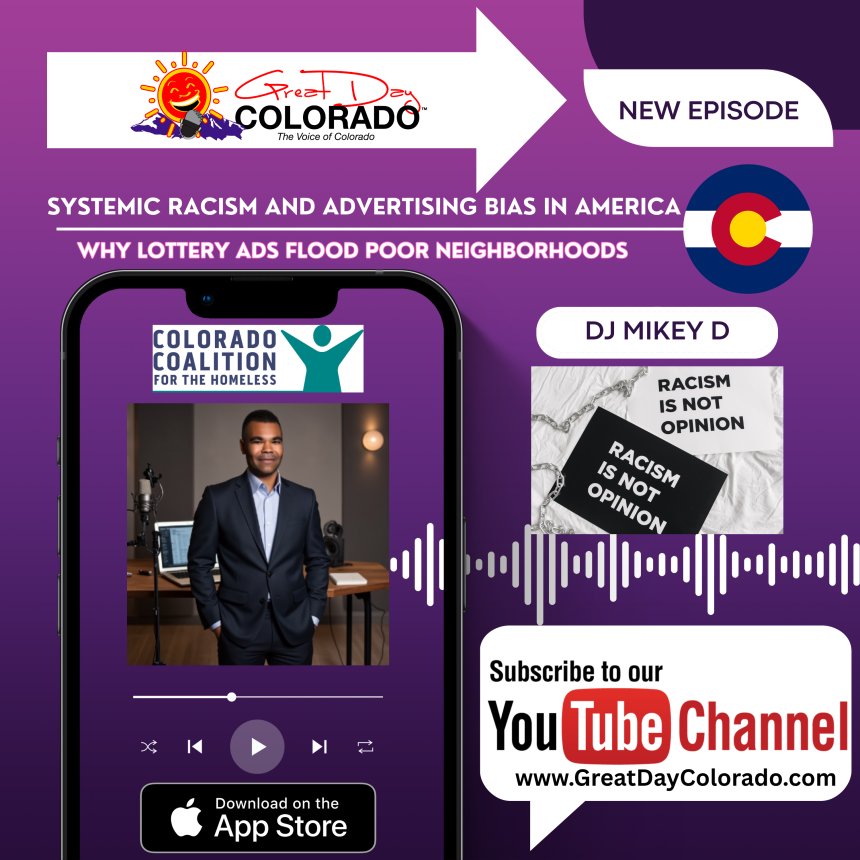
Bold claim: state lotteries act like a regressive tax. From Denver sidewalks to national ad buys, we trace how wealth is extracted from the most vulnerable. Hit play and weigh in—cap commissions, restrict ads, or something else? If the map was drawn by racism, where do lottery ads go? We connect billboards, media targeting, and spending data to systemic outcomes. Tune in, then drop your solution: disclosure rules, odds warnings, or revenue reform?
Walking east on Colfax in Denver, a simple search for lunch turned into a lesson in urban economics. The street was thick with liquor stores and lottery ads, each one selling a story of escape in bright colors. That pattern isn’t a coincidence. It arises from a web of incentives where state lotteries reward retailers, media buyers optimize ad spend, and neighborhoods shaped by historic redlining retain dense retail corridors perfect for outdoor ads. When wealthier districts display universities and luxury cars, poorer communities face jackpots and scratch-offs. The landscape itself pushes visibility: more foot traffic, more storefronts, more billboards. The outcome is predictable and profitable for everyone but the players.
To see why these ads cluster, follow the money. Corner stores and gas stations in disinvested neighborhoods rely on lottery commissions as a steady lifeline, reinforcing a loop where more ads drive more sales and greater dependence. State lottery agencies read the sales data and double down where returns are highest. Billboards, cheap and hyperlocal, blanket areas with the right traffic patterns. Suburban cul-de-sacs don’t offer the same exposure, which means they don’t attract the same ad dollars. The result is a targeted marketplace where visibility equals volume, and volume becomes justification. The line between supply and demand blurs when the infrastructure was designed to funnel both.
History seals the pattern. Redlining and discriminatory lending concentrated poverty and restricted wealth-building, shaping commercial districts as surely as they shaped housing. Smaller, walkable stores proliferated in segregated neighborhoods, providing ideal hosts for lottery terminals and ad inventory. Meanwhile, zoning in wealthier suburbs favored big boxes and parking lots, reducing storefront density and billboard viability. The market narrative often centers on neutral intent—put ads where sales are—but the map was drawn by policy. Data follows policy, and marketing follows data. The so-called level playing field never existed.
Then there’s the message itself. Lottery ads don’t lean on “play for fun.” They promise a break from precarity, a sudden turn of luck that wipes out debt and worry. When rent is due and groceries are thin, that promise hits harder than a luxury car ad ever could. Studies show media aimed at Black and Latino audiences carries a heavier load of lottery promotions, alongside payday lending and fast food placements. This cluster normalizes high-risk spending where margins are thinnest. People in lower income brackets spend a larger share of income on tickets, turning the lottery into a regressive tax that drains money from essential needs into a system built on long odds.
Calling this systemic racism isn’t about catching a villain in the act. It’s about outcomes. A legislator can tout education funding, a marketer can target by ROI, and a shop owner can lean on commission without malice. Yet when those choices play out atop decades of segregation and disinvestment, the result disproportionately harms Black and brown communities. The cycle extracts wealth where cushion is thin, framing risk as hope and loss as entertainment. That is why critics call lotteries exploitative: sanctioned, advertised, and optimized by the state to pull dollars from those with the least room to lose.
Policy can change the incentives. States could restrict outdoor ads in vulnerable neighborhoods, just as some do for alcohol and tobacco. Clear odds disclosures could be mandated in every ad, minimizing the dream-sell and boosting informed choice. Capping retailer commissions would blunt the push to upsell tickets. Revenues could be earmarked with transparency for programs that help the most-impacted communities—debt relief, savings matches, financial coaching, small business grants. Public disclosure of ad placements and spend by zip code would allow watchdogs, journalists, and residents to track who is being targeted and how.
Ultimately, the billboard map mirrors a deeper map of inequality. Recognizing the pattern doesn’t assign personal guilt; it reveals a system that turned scarcity into a business model. If we want neighborhoods to trade lottery hope for genuine opportunity, we need rules that reward stability over speculation and transparency over hype. That means resetting incentives, rebuilding trust, and funding tools that grow wealth rather than gamble it away. The odds should not be the only story people see on their walk to dinner.
If this conversation resonates, follow the show, share the episode with a friend, and leave a review telling us which policy fix you’d prioritize. Your voice helps push this debate toward real change.
From Conflict to Connection
The power of understanding and empathy with "From Conflict to Connection," the transformative guide
Earn Money on Gas and Food
Get Paid for your everyday shopping. Need Gas? Get Paid Need Snacks? Get Paid
The Best Financial Hack Ever!
Discover The Fundamental Principles Of Living Trusts And How To Choose What’s Best For You.
REAL Visitors & SEO Optimization...
Submit Your Website To Over 5,000 Sites Absolutely - FREE!
Battery Buddy Storage
Battery Buddy Storage The Perfect Holiday Gift!
Free eBook on How To Make Money Online
Your Roadmap to Online Income. A step-by-step guide to building your online business using proven tr
Disclaimer: This post contains affiliate links. If you make a purchase, I may receive a commission at no extra cost to you.
Share
What's Your Reaction?
 Like
0
Like
0
 Dislike
0
Dislike
0
 Love
0
Love
0
 Funny
0
Funny
0
 Angry
0
Angry
0
 Sad
0
Sad
0
 Wow
0
Wow
0